-
DestinationRepublic of Mari El, Yoshkar-Ola, Voskresenskaya embankment, 12
-
Excursion timesDaily Tuesday-Saturday from 10:00 to 18:00; Sunday - by request; day off - Monday
-
Excursion booking
The Museum of the History of Orthodoxy in Yoshkar-Ola is a space where the spiritual history of the Mari region is revealed through authentic relics and rare documents. It opened in 2016 and has become a platform for dialogue about the faith, culture, and fate of the region's churches. Here, one can trace how Orthodoxy took root in the Mari land from the 16th century onward and the trials it endured.
The museum's history begins on November 4, 2016. The opening was timed to coincide with National Unity Day and the anniversary of the formation of the Mari Autonomous Region. The institution was created to preserve the Orthodox heritage and systematize archival materials on the region's church life.
The exhibition covers several eras:
- missionary activity of the 16th-17th centuries
- parish development and church construction from the 18th to early 20th centuries
- the fate of churches during the Soviet period
- the revival of church life in the late 20th and early 21st centuries
The museum is actively developing. Its exhibition activities are expanding: it hosts international projects, photo exhibitions, and shows of contemporary Christian art.
The museum's cultural significance is obvious: its collection includes icons, liturgical items, archival documents, and photographs. It is an important center for the study of the Orthodox culture of Mari El.
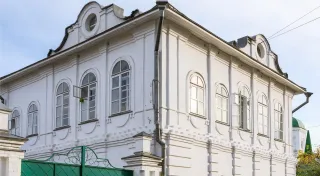
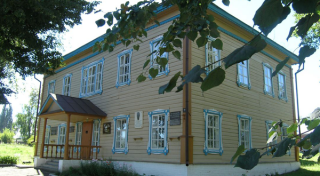
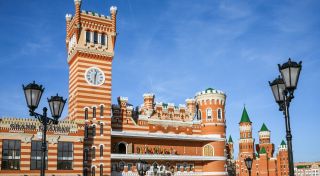
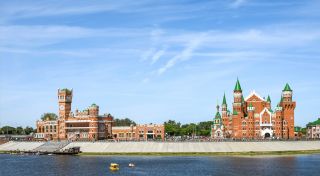
The Museum of the History of Orthodoxy in Yoshkar-Ola is located on Voskresenskaya Embankment. The building is one-story, with several halls. The architecture is restrained, with the emphasis on the content of the exhibits.
Key elements include:
- installation "Monastic Cell of the Holy Trinity Convent in Kozmodemyansk"
- composition dedicated to the destruction of the Church of the Entry into Jerusalem
- models of pre-revolutionary churches in Yoshkar-Ola
- authentic icons, folding icons, and crucifixes
- clerical vestments
- rare spiritual literature
In addition to the permanent exhibition, temporary exhibitions are held. Among them are "Joy of All Who Sorrow," "Admiral Ushakov," and "Nikolai Karamzin. History in a Certain Sense..." The open-air photography exhibition "Heavenly Garden" is currently on display.
Interesting Facts
- In 2022, the museum hosted an exhibition from the collections of the Sviyazhsk Island-City Museum-Reserve.
- The institution collaborates with the Yoshkar-Ola and Mari Dioceses, which allows it to expand its collections with rare materials.
- The collections include items reflecting both the heyday of church life and the period of persecution.
Practical information for tourists
Opening hours of the Museum of the History of Orthodoxy:
- Tuesday–Sunday: 10:00–18:00
- Monday – closed
Admission fee:
- Adult ticket – 150 rubles
- Concessionary ticket – 100 rubles
- Children under 5 – free
- with the Pushkin Card – 100 rubles
How to get there
- By public transport By transport: Voskresenskaya Embankment stop, trolleybuses #2, 6, 8, 11; minibuses #18, 24, 30, 34k.
- On foot: About 15 minutes from Sovetskaya Street.
- By car: Parking along the embankment is free.
The entrance is accessible by ramp. Visitors with disabilities are advised to check details in advance.
Tips for tourists
The best time to visit is weekday mornings. In spring and summer, it's convenient to combine a tour of the museum with a walk along the embankment. Allow 1–1.5 hours to explore the exhibition.
Photography is permitted without flash or tripod. Please remain quiet and do not touch the exhibits.
If you're planning a city itinerary and wondering what to see in Yoshkar-Ola, also include the Resurrection Cathedral, Patriarch's Square, Tsarevokokshaysky Kremlin, and T. Evseev National Museum.
Where to stay and eat
Hotels and cafes are within walking distance:
- Azimut Hotel
- Simple Food Cafe
- Vasya from Guangzhou
- Dito Italiano
- Soyuz Cafe
The Museum of the History of Orthodoxy in Yoshkar-Ola helps you explore the region's spiritual history in detail—through documents, icons, and the fates of churches. This place is perfect for those who want a deeper understanding of the region's cultural traditions. Plan a visit and discover an important chapter in the history of Mari El.
Konta
Our Location
Photo Gallery