


Sernursky district - cultural center of Mari El
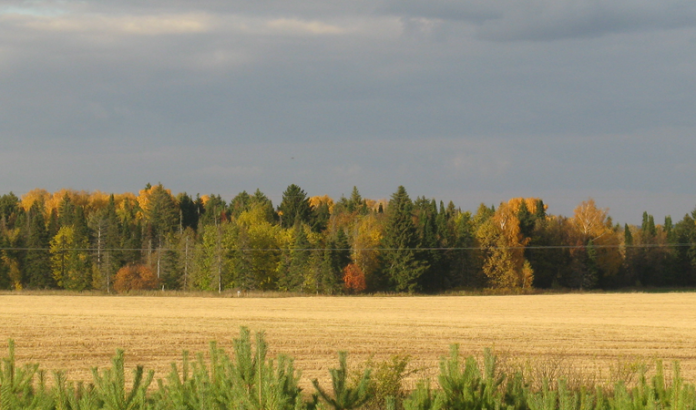
The date of formation of the Sernur district is considered to be January 15, 1921, when the Sernur canton was formed. It included part of the volosts of the Urzhum and Yaran districts of the Vyatka province - the modern northeastern regions of the Republic of Mari El. 22 years later, on December 6, 1943, 10 village councils of the Sernursky district were transferred to the new Kazansky district. Another 16 years later, on March 11, 1959, part of the territory of the abolished Kosolapovsky district was annexed to the Sernursky district.****
****
The administrative center is the urban-type settlement of Sernur (Mar. “Shernur”). Previously it was known as the village of Blagoveshchenskoye or the village of Makarkino (Makarlya, Makar-sola, Makarovo). The village is located in the northeast of the Mari El Republic, just 89 km from Yoshkar-Ola. A highway passes through the village, connecting Kazan, Cheboksary, Yoshkar-Ola, Syktyvkar, Kirov, Sovetsk and Urzhum, as well as the villages of Mari-Turek and Parangu. On the northern side, Sernur is surrounded by the Serdyazhka River, into which the Lu-Ener River flows, originating in the center of the village. ****
****
Sernur was founded in 1749 by decree of the Kazan Spiritual Consistory. It was here, at that time in the village of Makarovo, that the construction of an Orthodox church in the name of the Annunciation of the Blessed Virgin Mary began. By 1825, a stone church appeared in the village of Blagoveshchenskoye, which became the center of the Sernur volost and a popular trading place through which convoys with bread to Kazan passed. At the fairs one could buy grain, flour, livestock, shoes, handicrafts and even poultry. The village residents, mostly Mari peasants, were engaged in arable farming, growing rye, oats, barley and wheat, and selling the crops to distilleries and nearby towns.****
****
A public school was opened here in 1849, and a zemstvo hospital was opened in 1868. By the beginning of the 20th century, the village had been transformed: stone two-story buildings of merchants and traders, a volost administration, and a zemstvo farm appeared, which used advanced agrotechnical methods. Beekeeping courses were held in Sernur, an experimental apiary was organized, and a beekeeping museum was created.****
****
Sernur played a prominent role in political events. From the second half of the 19th century it became a place of political exile. During the First World War, prisoners of war from Austria were held here. After the revolutionary upheavals of the 20th century, in 1921, Sernur became the center of the Sernur canton and received the status of a city. The village became an administrative center, where management departments, the Economic Council, labor and food departments, as well as a literacy commission worked.****
****
During the Great Patriotic War, about 500 people from the Nurbel village council of the Sernur region went to the front. Wives and sisters replaced their men behind the tractors and made a huge contribution to the rear work. After the war, active restoration of the national economy began in the village, a creamery, a motor transport office, a gas station, a repair and technical station and many other enterprises were built that are still operating today.****
****
Now Sernur is a modern village with a population of about 8,358 people, which combines a historical atmosphere and modern infrastructure. Local residents live in one-, two-, three-, four- and five-story buildings, and the private sector has expanded rapidly since the 90s. The streets of the village are paved with asphalt and are renewed annually. The village is surrounded by greenery; the park named after the 20th anniversary of the Victory regularly hosts sporting events and the traditional Peledysh Payrem holiday. ****
****
Sernur preserves the memory of great people: the poet Nikolai Zabolotsky, the Mari writer Shabdar Osyp and the educator Alexander Konakov lived and worked here. Actor Yyvan Kyrla and writers Kim Vasin and Dim were born in the Sernur district. Orai. On the central square there is a monument to the soldiers who fell for their Motherland, and one of the streets is named after Hero of the Soviet Union Andrei Yanalov.****
****
Today, Sernur has a modern clinic, schools, a children's art center, a sports school and an art school. Trade is actively developing, new shops and retail outlets are appearing. Sernur is a unique combination of rich history and dynamic modern life, where tradition and achievement go hand in hand.****
****
The administrative center is the urban-type settlement of Sernur (Mar. “Shernur”). Previously it was known as the village of Blagoveshchenskoye or the village of Makarkino (Makarlya, Makar-sola, Makarovo). The village is located in the northeast of the Mari El Republic, just 89 km from Yoshkar-Ola. A highway passes through the village, connecting Kazan, Cheboksary, Yoshkar-Ola, Syktyvkar, Kirov, Sovetsk and Urzhum, as well as the villages of Mari-Turek and Parangu. On the northern side, Sernur is surrounded by the Serdyazhka River, into which the Lu-Ener River flows, originating in the center of the village. ****
****
Sernur was founded in 1749 by decree of the Kazan Spiritual Consistory. It was here, at that time in the village of Makarovo, that the construction of an Orthodox church in the name of the Annunciation of the Blessed Virgin Mary began. By 1825, a stone church appeared in the village of Blagoveshchenskoye, which became the center of the Sernur volost and a popular trading place through which convoys with bread to Kazan passed. At the fairs one could buy grain, flour, livestock, shoes, handicrafts and even poultry. The village residents, mostly Mari peasants, were engaged in arable farming, growing rye, oats, barley and wheat, and selling the crops to distilleries and nearby towns.****
****
A public school was opened here in 1849, and a zemstvo hospital was opened in 1868. By the beginning of the 20th century, the village had been transformed: stone two-story buildings of merchants and traders, a volost administration, and a zemstvo farm appeared, which used advanced agrotechnical methods. Beekeeping courses were held in Sernur, an experimental apiary was organized, and a beekeeping museum was created.****
****
Sernur played a prominent role in political events. From the second half of the 19th century it became a place of political exile. During the First World War, prisoners of war from Austria were held here. After the revolutionary upheavals of the 20th century, in 1921, Sernur became the center of the Sernur canton and received the status of a city. The village became an administrative center, where management departments, the Economic Council, labor and food departments, as well as a literacy commission worked.****
****
During the Great Patriotic War, about 500 people from the Nurbel village council of the Sernur region went to the front. Wives and sisters replaced their men behind the tractors and made a huge contribution to the rear work. After the war, active restoration of the national economy began in the village, a creamery, a motor transport office, a gas station, a repair and technical station and many other enterprises were built that are still operating today.****
****
Now Sernur is a modern village with a population of about 8,358 people, which combines a historical atmosphere and modern infrastructure. Local residents live in one-, two-, three-, four- and five-story buildings, and the private sector has expanded rapidly since the 90s. The streets of the village are paved with asphalt and are renewed annually. The village is surrounded by greenery; the park named after the 20th anniversary of the Victory regularly hosts sporting events and the traditional Peledysh Payrem holiday. ****
****
Sernur preserves the memory of great people: the poet Nikolai Zabolotsky, the Mari writer Shabdar Osyp and the educator Alexander Konakov lived and worked here. Actor Yyvan Kyrla and writers Kim Vasin and Dim were born in the Sernur district. Orai. On the central square there is a monument to the soldiers who fell for their Motherland, and one of the streets is named after Hero of the Soviet Union Andrei Yanalov.****
****
Today, Sernur has a modern clinic, schools, a children's art center, a sports school and an art school. Trade is actively developing, new shops and retail outlets are appearing. Sernur is a unique combination of rich history and dynamic modern life, where tradition and achievement go hand in hand.****