


From amateurs to professionals: the history of the Mari Theater
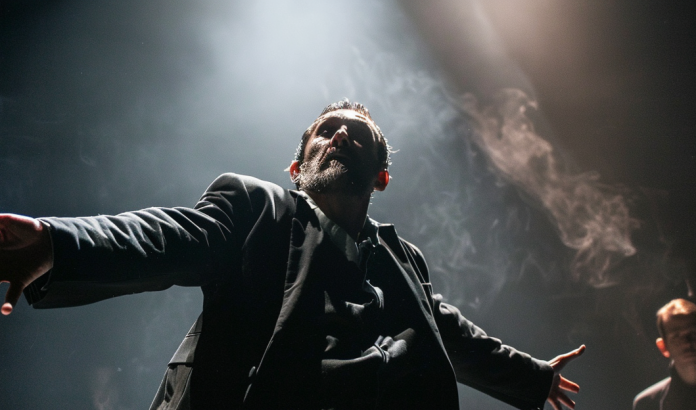
The Mari people have long won the reputation of being “musical”: songs and dances are an integral part of their culture. And where there is music, there is theater.****
****
The Mari National Drama Theater named after M. Shketan is the oldest Mari theater. It was founded on November 1, 1919 and was called the Mobile Theater of the Mari People. The first performance was “Law Shumlyk” (“Because of the Law”) based on the play by Tynysh Osyp. The premiere took place on November 29, 1919. The directors were teachers A.D. Belkov and I.P. Belyaev.****
****
The history of the Mari theater can be divided into two stages: amateur and professional. The first is associated with the Mobile Mari Theater and lasted until 1929. ****
****
The Mari theater became professional on October 23, 1929, on the day of the first graduation of the Mari Studio of Musical and Dramatic Art. The artistic director of 15 professional actors was director Naum Kalendr. It was these artists who became the basis of the troupe of the newly created Mari State Drama Theater. The names of Anastasia Strausova, Georgy Pushkin, Anastasia Filippova, Vasily Yakshov, Praskovya Smirnova, Pavel Toidemar and Alexey Mayuk-Egorov forever entered the history of national art. Later, Mayuk-Egorov became the first professional Mari director.****
****
Bright events in the life of the theater were the productions of “Muksh otar” (“Apiary”) and “Ilyshe vud” (“Living Water”) based on the plays of Sergei Chavain. In the summer of 1930, they were awarded a 1st degree Diploma at the All-Union Olympiad of Theaters and Arts of the Peoples of the USSR.****
****
In 1934, the Margosteater mastered Russian drama for the first time. Director N.D. Stanislavsky staged the play “Kudyrchan Yur”. – a dramatization of “The Thunderstorm” by Ostrovsky. Translation into Mari was carried out by Sergei Grigorievich Chavain. ****
****
The 1936-1937 season was held under the leadership of Alexei Mayuk-Egorov, who graduated from the directing department of GITIS. His work - the musical comedy "Salika" - became one of the "golden" productions of the Mari Theater and still attracts full houses.****
****
In the late 1930s - early 1940s, at the instigation of director G.I. Kryzhitsky, the Mari Theater touched the world classics of drama. Local actors made a big step forward by playing in performances based on plays by Schiller, Galdoni and Moliere. In 1940, the Mari audience learned about the dramaturgy of Maxim Gorky: the play “The Bourgeois” was staged on the stage of the Margosteater.****
****
In 1939, in the year of the 20th anniversary of the Mari Theater, the honorary title “Honored Artist of the Mari Autonomous Soviet Socialist Republic” was established. Ivan Yakaev was the first of the Mari actors to receive it.****
****
During the Great Patriotic War, the theater's repertoire consisted mainly of patriotic productions: “Shinelyan Udyr” (“Girl in an Overcoat”), “Elnet Seryshte” (“On the Bank of Ilet”). The problems of frequent changes of directors and the lack of new plays in the Mari language were acute. The drama “Yanlyk Paset” (“Black Wolf”), the musical comedy “Salika” and the drama in verse “Asan and Kansyl” were able to “stir up” the work of the theater. In 1943, the creative career of Nikolai Arban began, with whose name a large period of the history of the Mari Theater is associated.****
****
In the post-war years, the production was mainly carried out by Russian drama theater directors. During this period A.B. Velizhev staged the play “Rveze of the Guards” based on the novel “The Young Guard”, and also staged the plays by S. Nikolaev “Shochmo keche” (“Good Day”) and “Aivika”.****
****
In 1948, the Mari State Drama Theater received the name of M. Shketan.****
****
Two years later, Evgeniy Amantov became the main director of the Mari State United Drama Theater named after M. Shketan. He saw that despite their abilities and hard work, the Mari actors lacked proper pedagogical training. The director decided to fill it out with the help of classical drama. Under the direction of Evgeniy Glebovich, the performances “Pychkemysh logashte” (“The Power of Darkness”), “Romeo and Juliet” and “The Inspector General” were staged.****
****
In 1954, the theater troupe was replenished by graduates of the Mari studio of the Leningrad Theater Institute named after A.N. Ostrovsky. Among them was Sarra Kirillova, the future chief director of the theater.****
****
A year later, the United Drama Theater was divided into the Mari State Theater named after M. Shketan and the Republican Russian Drama Theater of the Mari Autonomous Soviet Socialist Republic.****
****
In 1956, Sergei Grigoryevich Chavain was posthumously rehabilitated. His plays “Muksh otar” (“Apiary”), “Akpatyr”, “Mari Roto” (“Mari Company”) returned to the stage of the Mari Theater. Chief director Sergei Ivanov paid great attention to translated plays: the Mari audience saw the performances “Pialdyme” (“Talentless”), “Chynzhymak Aideme” (“The Tale of a Real Man”), “Wuver ӱdyr” (“Werewolf”).****
****
Sarra Kirillova came to the post of chief director in 1974. Her approach to theater creativity was distinguished by a combination of Mari plays with works of foreign, Russian classical and modern drama. The Mari audience was presented with the performances “Vuyanche ava den shochshyzho-vlak” (“Mother Courage and Her Children”), “Lir Kugyzha” (“King Lear”), “Vassa Zheleznova”, “Optimistic Tragedy”, “Ilysh Seskem” (“Holy of Holies”), “Olase Koidarchyk” (“Provincial jokes"). In 1976, the troupe went on tour to Estonia for the first time with the performances “Salika”, “Aksar den Yulaviy” (“Aksar and Yulaviy”) and “Morko sem” (“Morkin tunes”).****
****
In 1987, Sarah Kirillova was replaced as chief director by Vasily Pekteev, who continued the traditions of his predecessor. On his initiative, the International Festival of Theaters of Finno-Ugric Peoples "Mayatul" was created in the early 90s.****
****
In 1992, the theater was renamed the Mari National Theater. M. Shketan, and 10 years later it was reorganized into the Mari National Drama Theater named after. M. Shketana. The Mari Youth Theater, created in 1991, became its branch.****
****
Now the theater continues the traditions of Mari theatrical art. Both traditional musical comedies and modern productions are successfully staged on its stage. ****
****
New performances are distinguished by non-standard approaches to directing and scenography. In recent years, director Stepan Pekteev has played a major role in the development of Mari art. In his performances “Hamlet. Car. Cement", "Yyvan Kyrla. A start to life" and "FOLKS" combine both classical theatrical and film techniques.****
****
The Mari National Drama Theater named after M. Shketan is the oldest Mari theater. It was founded on November 1, 1919 and was called the Mobile Theater of the Mari People. The first performance was “Law Shumlyk” (“Because of the Law”) based on the play by Tynysh Osyp. The premiere took place on November 29, 1919. The directors were teachers A.D. Belkov and I.P. Belyaev.****
****
The history of the Mari theater can be divided into two stages: amateur and professional. The first is associated with the Mobile Mari Theater and lasted until 1929. ****
****
The Mari theater became professional on October 23, 1929, on the day of the first graduation of the Mari Studio of Musical and Dramatic Art. The artistic director of 15 professional actors was director Naum Kalendr. It was these artists who became the basis of the troupe of the newly created Mari State Drama Theater. The names of Anastasia Strausova, Georgy Pushkin, Anastasia Filippova, Vasily Yakshov, Praskovya Smirnova, Pavel Toidemar and Alexey Mayuk-Egorov forever entered the history of national art. Later, Mayuk-Egorov became the first professional Mari director.****
****
Bright events in the life of the theater were the productions of “Muksh otar” (“Apiary”) and “Ilyshe vud” (“Living Water”) based on the plays of Sergei Chavain. In the summer of 1930, they were awarded a 1st degree Diploma at the All-Union Olympiad of Theaters and Arts of the Peoples of the USSR.****
****
In 1934, the Margosteater mastered Russian drama for the first time. Director N.D. Stanislavsky staged the play “Kudyrchan Yur”. – a dramatization of “The Thunderstorm” by Ostrovsky. Translation into Mari was carried out by Sergei Grigorievich Chavain. ****
****
The 1936-1937 season was held under the leadership of Alexei Mayuk-Egorov, who graduated from the directing department of GITIS. His work - the musical comedy "Salika" - became one of the "golden" productions of the Mari Theater and still attracts full houses.****
****
In the late 1930s - early 1940s, at the instigation of director G.I. Kryzhitsky, the Mari Theater touched the world classics of drama. Local actors made a big step forward by playing in performances based on plays by Schiller, Galdoni and Moliere. In 1940, the Mari audience learned about the dramaturgy of Maxim Gorky: the play “The Bourgeois” was staged on the stage of the Margosteater.****
****
In 1939, in the year of the 20th anniversary of the Mari Theater, the honorary title “Honored Artist of the Mari Autonomous Soviet Socialist Republic” was established. Ivan Yakaev was the first of the Mari actors to receive it.****
****
During the Great Patriotic War, the theater's repertoire consisted mainly of patriotic productions: “Shinelyan Udyr” (“Girl in an Overcoat”), “Elnet Seryshte” (“On the Bank of Ilet”). The problems of frequent changes of directors and the lack of new plays in the Mari language were acute. The drama “Yanlyk Paset” (“Black Wolf”), the musical comedy “Salika” and the drama in verse “Asan and Kansyl” were able to “stir up” the work of the theater. In 1943, the creative career of Nikolai Arban began, with whose name a large period of the history of the Mari Theater is associated.****
****
In the post-war years, the production was mainly carried out by Russian drama theater directors. During this period A.B. Velizhev staged the play “Rveze of the Guards” based on the novel “The Young Guard”, and also staged the plays by S. Nikolaev “Shochmo keche” (“Good Day”) and “Aivika”.****
****
In 1948, the Mari State Drama Theater received the name of M. Shketan.****
****
Two years later, Evgeniy Amantov became the main director of the Mari State United Drama Theater named after M. Shketan. He saw that despite their abilities and hard work, the Mari actors lacked proper pedagogical training. The director decided to fill it out with the help of classical drama. Under the direction of Evgeniy Glebovich, the performances “Pychkemysh logashte” (“The Power of Darkness”), “Romeo and Juliet” and “The Inspector General” were staged.****
****
In 1954, the theater troupe was replenished by graduates of the Mari studio of the Leningrad Theater Institute named after A.N. Ostrovsky. Among them was Sarra Kirillova, the future chief director of the theater.****
****
A year later, the United Drama Theater was divided into the Mari State Theater named after M. Shketan and the Republican Russian Drama Theater of the Mari Autonomous Soviet Socialist Republic.****
****
In 1956, Sergei Grigoryevich Chavain was posthumously rehabilitated. His plays “Muksh otar” (“Apiary”), “Akpatyr”, “Mari Roto” (“Mari Company”) returned to the stage of the Mari Theater. Chief director Sergei Ivanov paid great attention to translated plays: the Mari audience saw the performances “Pialdyme” (“Talentless”), “Chynzhymak Aideme” (“The Tale of a Real Man”), “Wuver ӱdyr” (“Werewolf”).****
****
Sarra Kirillova came to the post of chief director in 1974. Her approach to theater creativity was distinguished by a combination of Mari plays with works of foreign, Russian classical and modern drama. The Mari audience was presented with the performances “Vuyanche ava den shochshyzho-vlak” (“Mother Courage and Her Children”), “Lir Kugyzha” (“King Lear”), “Vassa Zheleznova”, “Optimistic Tragedy”, “Ilysh Seskem” (“Holy of Holies”), “Olase Koidarchyk” (“Provincial jokes"). In 1976, the troupe went on tour to Estonia for the first time with the performances “Salika”, “Aksar den Yulaviy” (“Aksar and Yulaviy”) and “Morko sem” (“Morkin tunes”).****
****
In 1987, Sarah Kirillova was replaced as chief director by Vasily Pekteev, who continued the traditions of his predecessor. On his initiative, the International Festival of Theaters of Finno-Ugric Peoples "Mayatul" was created in the early 90s.****
****
In 1992, the theater was renamed the Mari National Theater. M. Shketan, and 10 years later it was reorganized into the Mari National Drama Theater named after. M. Shketana. The Mari Youth Theater, created in 1991, became its branch.****
****
Now the theater continues the traditions of Mari theatrical art. Both traditional musical comedies and modern productions are successfully staged on its stage. ****
****
New performances are distinguished by non-standard approaches to directing and scenography. In recent years, director Stepan Pekteev has played a major role in the development of Mari art. In his performances “Hamlet. Car. Cement", "Yyvan Kyrla. A start to life" and "FOLKS" combine both classical theatrical and film techniques.****