


Meadow, eastern and mountain: what groups are the Mari people divided into?
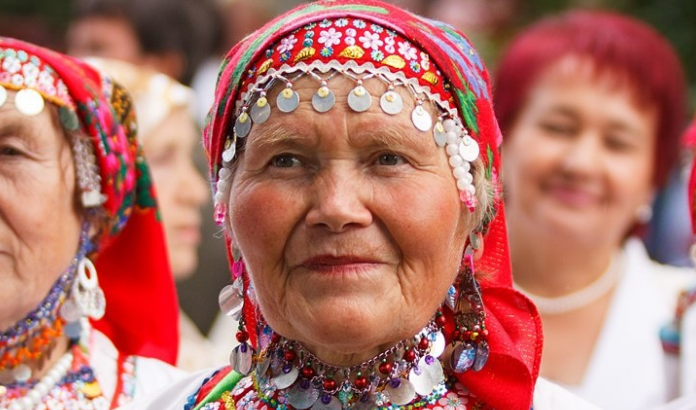
The Mari are a distinctive people, known for their historical and ethnographic features. At the moment, it is divided into three large groups - meadow (Mari), eastern (Mari) and mountain (Mary).****
****
Neighboring peoples call them differently: Cheremis (Russians), Darmas (Chuvash), Chirmesh (Tatars), Por (Udmurts). These ethnonyms are mentioned in ancient written sources, including a letter from the Khazar Kagan Joseph (10th century) and Russian chronicles of the 11th century, where the Cheremis are mentioned among the peoples of the Volga region.****
****
There is a theory that the Mari have a historical connection with the Meri - the people who inhabited the territories of Yaroslavl, Ivanovo, Kostroma and other regions. Research by Max Vasmer and Alexander Matveev confirmed the ethnolinguistic proximity of these peoples. It is believed that the Mari language may be a remnant of an ancient language group that was once widespread in the central and northern regions of European Russia.****
****
Around the middle of the 1st millennium AD. The movement of the proto-Marians to the east began, caused by pressure from the Slavs and Balts. In the east, their neighbors were the tribes of the southern Permians, with whom the Mari came into close contact, which was reflected in the language. By the 8th century, the Mari had formed two main groups - mountain (kyryk mary), living on the right bank of the Volga, and meadow (olik mari), living on the left bank.****
****
In the 7th-8th centuries, Turkic tribes began to penetrate into the Middle Volga region, mainly Bulgars, who founded Volga Bulgaria. The Mari, although not directly part of it, were subject to significant Turkic influence, especially on the right bank of the Volga. The influence of Bulgar culture on the Mari continued after the fall of Bulgaria, when the Mari became part of the Kazan Khanate, strengthening contacts with the Tatars.****
****
Despite centuries of pressure from Turkic and Russian cultures, the Mari retained paganism as the basis of their spiritual life, and there was no mass adoption of Islam among them. In the 16th century, during the period of Russian expansion and the Kazan Khanate, the difference between the mountain and meadow Mari was finally consolidated.****
****
After the annexation of Kazan to Moscow and the subsequent uprisings of the Mari, many of them moved to the east - to Bashkiria and the Urals, where a separate group was formed - the Eastern Mari, whose dialect is close to the Meadow. Subsequently, the Mari continued to move east to Siberia and Kazakhstan, which became part of their centuries-long migration.****
****
Since the 18th century, the Mari have been divided into subethnic groups based on characteristic women's headdresses and dialects: Sorokan Mari (northwest and north), Shymakshan Mari (east and northeast), Sharpan-Nashmakan Mari (south and southeast). In the 20th century, two literary norms emerged in the Mari Republic - the Mountain Mari and the Meadow-Eastern Mari languages. ****
****
According to the 2021 census, 423,803 representatives of the Mari people lived in Russia, most of whom are concentrated in the Republic of Mari El, Bashkiria, Kirov and Nizhny Novgorod regions, preserving the unique features of their ancient culture and language.
****
Neighboring peoples call them differently: Cheremis (Russians), Darmas (Chuvash), Chirmesh (Tatars), Por (Udmurts). These ethnonyms are mentioned in ancient written sources, including a letter from the Khazar Kagan Joseph (10th century) and Russian chronicles of the 11th century, where the Cheremis are mentioned among the peoples of the Volga region.****
****
There is a theory that the Mari have a historical connection with the Meri - the people who inhabited the territories of Yaroslavl, Ivanovo, Kostroma and other regions. Research by Max Vasmer and Alexander Matveev confirmed the ethnolinguistic proximity of these peoples. It is believed that the Mari language may be a remnant of an ancient language group that was once widespread in the central and northern regions of European Russia.****
****
Around the middle of the 1st millennium AD. The movement of the proto-Marians to the east began, caused by pressure from the Slavs and Balts. In the east, their neighbors were the tribes of the southern Permians, with whom the Mari came into close contact, which was reflected in the language. By the 8th century, the Mari had formed two main groups - mountain (kyryk mary), living on the right bank of the Volga, and meadow (olik mari), living on the left bank.****
****
In the 7th-8th centuries, Turkic tribes began to penetrate into the Middle Volga region, mainly Bulgars, who founded Volga Bulgaria. The Mari, although not directly part of it, were subject to significant Turkic influence, especially on the right bank of the Volga. The influence of Bulgar culture on the Mari continued after the fall of Bulgaria, when the Mari became part of the Kazan Khanate, strengthening contacts with the Tatars.****
****
Despite centuries of pressure from Turkic and Russian cultures, the Mari retained paganism as the basis of their spiritual life, and there was no mass adoption of Islam among them. In the 16th century, during the period of Russian expansion and the Kazan Khanate, the difference between the mountain and meadow Mari was finally consolidated.****
****
After the annexation of Kazan to Moscow and the subsequent uprisings of the Mari, many of them moved to the east - to Bashkiria and the Urals, where a separate group was formed - the Eastern Mari, whose dialect is close to the Meadow. Subsequently, the Mari continued to move east to Siberia and Kazakhstan, which became part of their centuries-long migration.****
****
Since the 18th century, the Mari have been divided into subethnic groups based on characteristic women's headdresses and dialects: Sorokan Mari (northwest and north), Shymakshan Mari (east and northeast), Sharpan-Nashmakan Mari (south and southeast). In the 20th century, two literary norms emerged in the Mari Republic - the Mountain Mari and the Meadow-Eastern Mari languages. ****
****
According to the 2021 census, 423,803 representatives of the Mari people lived in Russia, most of whom are concentrated in the Republic of Mari El, Bashkiria, Kirov and Nizhny Novgorod regions, preserving the unique features of their ancient culture and language.