


Mari wedding
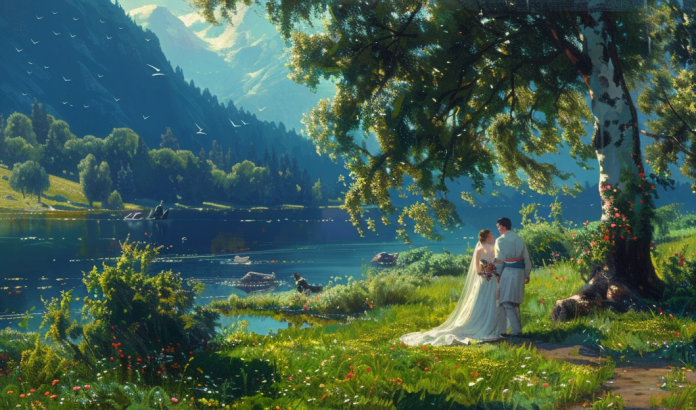
A Mari wedding has always been a unique and original event, combining various rites, rituals and magical acts that reflected the religious and mythological ideas of the people. The fusion of religion, cultural ethnic group and details of everyday life made the wedding celebrations of the Mari spectacular and deeply symbolic.****
****
Wedding ceremonies included songs, dances, play performances, and traditional costumes and decorations. These rituals were supposed to ensure the prosperity and well-being of the new family, protect spouses from failures and strengthen the marriage. ****
****
When studying local history materials about the meadow and mountain Mari, it is almost impossible to notice the differences in their wedding rituals. Marriage was traditionally negotiated by older family members. They tried to marry young people as early as possible, and girls, on the contrary, were married off later. As a result, the bride could be 3-6 years older than the groom.****
****
After the decision was made by the relatives, the matchmaking itself took place. The groom's father and matchmaker (tular) came to the bride's house, while the groom himself was absent. Among the Meadow Mari, as a consent to the wedding, the bride had to drink a cup of intoxicating drink. Among the mountain Mari, both parties bit into bread and butter, which symbolized consent to marriage. ****
****
The traditional Mari wedding was celebrated in the summer, between sowing and haymaking or after haymaking. The wedding could be daytime (from morning to evening) or nighttime (for a day).****
****
In the groom's village, the relatives assembled a wedding train (sÿan), consisting of 20 or more carts. The participants were relatives of the groom (sÿanvate - “wedding women” and sÿanmaríi - “wedding men”). The groom's friend (savush) was the train manager, and one of the older relatives (sÿanvuy - “wedding head”) was the wedding manager. The groom's mother and unmarried girls were not taken on the trip to the bride.****
****
Preparations were underway at the bride's house: she was dressed in a traditional costume, with a scarf tied around her head. Her friends put the pre-prepared dowry into a chest. The bride's sisters were not allowed to participate in this action, so that the younger daughters would not become girls too long.****
****
The groom's friend was the first to enter the house, followed by the groom himself (kachymar) and his two relatives. To protect the bride from evil spirits, her friend followed in her footsteps. Then the newlyweds went deeper into the house until the presentation of gifts to the bride's parents was completed. Traditionally, the bride's mother was given silver coins, which the sÿanwuy placed on her chest as a sign of gratitude for raising her daughter. ****
****
After the priest's blessing, the newlyweds sat down at the table and the feast began. The older relatives were feasting, while the younger ones were having fun. Before the bride put on her wedding caftan (syvyn) over her festive dress to go to the groom's house, young boys from the village were treated to food (ÿdyr araka yÿmash). This ritual was performed by a young relative of the bride, wearing her wedding caftan and imitating her. After the feast at the bride's house, the wedding train headed to the groom's house. Along the way, they always stopped at a pre-agreed house, where the bride took off her headscarf and put on a woman’s headdress, which symbolized her transition to the status of a wife.
****
Wedding ceremonies included songs, dances, play performances, and traditional costumes and decorations. These rituals were supposed to ensure the prosperity and well-being of the new family, protect spouses from failures and strengthen the marriage. ****
****
When studying local history materials about the meadow and mountain Mari, it is almost impossible to notice the differences in their wedding rituals. Marriage was traditionally negotiated by older family members. They tried to marry young people as early as possible, and girls, on the contrary, were married off later. As a result, the bride could be 3-6 years older than the groom.****
****
After the decision was made by the relatives, the matchmaking itself took place. The groom's father and matchmaker (tular) came to the bride's house, while the groom himself was absent. Among the Meadow Mari, as a consent to the wedding, the bride had to drink a cup of intoxicating drink. Among the mountain Mari, both parties bit into bread and butter, which symbolized consent to marriage. ****
****
The traditional Mari wedding was celebrated in the summer, between sowing and haymaking or after haymaking. The wedding could be daytime (from morning to evening) or nighttime (for a day).****
****
In the groom's village, the relatives assembled a wedding train (sÿan), consisting of 20 or more carts. The participants were relatives of the groom (sÿanvate - “wedding women” and sÿanmaríi - “wedding men”). The groom's friend (savush) was the train manager, and one of the older relatives (sÿanvuy - “wedding head”) was the wedding manager. The groom's mother and unmarried girls were not taken on the trip to the bride.****
****
Preparations were underway at the bride's house: she was dressed in a traditional costume, with a scarf tied around her head. Her friends put the pre-prepared dowry into a chest. The bride's sisters were not allowed to participate in this action, so that the younger daughters would not become girls too long.****
****
The groom's friend was the first to enter the house, followed by the groom himself (kachymar) and his two relatives. To protect the bride from evil spirits, her friend followed in her footsteps. Then the newlyweds went deeper into the house until the presentation of gifts to the bride's parents was completed. Traditionally, the bride's mother was given silver coins, which the sÿanwuy placed on her chest as a sign of gratitude for raising her daughter. ****
****
After the priest's blessing, the newlyweds sat down at the table and the feast began. The older relatives were feasting, while the younger ones were having fun. Before the bride put on her wedding caftan (syvyn) over her festive dress to go to the groom's house, young boys from the village were treated to food (ÿdyr araka yÿmash). This ritual was performed by a young relative of the bride, wearing her wedding caftan and imitating her. After the feast at the bride's house, the wedding train headed to the groom's house. Along the way, they always stopped at a pre-agreed house, where the bride took off her headscarf and put on a woman’s headdress, which symbolized her transition to the status of a wife.