


Kozmodemyansk: from Ivan the Terrible to Ostap Bender
******** ************************Kozmodemyansk: from Ivan the Terrible to Ostap Bender******************** **** ****
************ **** ************ ************ **** ****
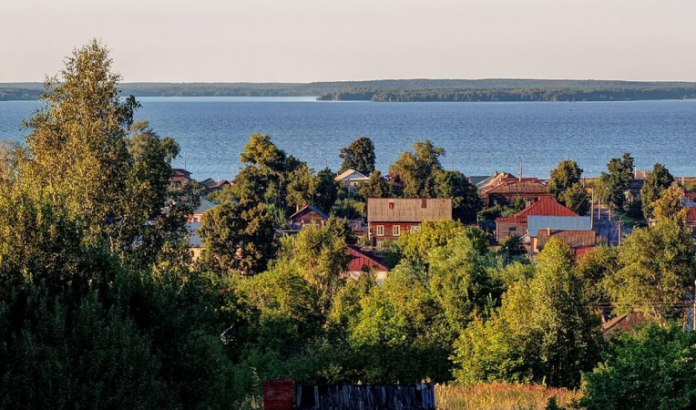
************ **** ************ ************ The city of Kozmodemyansk, located on the picturesque banks of the Volga, has a rich history that begins long before its official foundation. The first settlements in this territory appeared in the second half of the 16th century. In 1583, against the backdrop of the Third Cheremis War, governor I.A. Sontsov-Zasekin, D.A. Zamytsky and I.S. Turenin founded a fortress here, which became the predecessor of the modern city. **** ****
************ **** ************ ************ **** ****
************ **** ************ ************ According to legend, Tsar Ivan the Terrible, returning after the conquest of Kazan, on November 1, 1552, the Day of the Unmercenary Saints Kozma and Damian, stopped for the night on the site of present-day Kozmodemyansk. Fascinated by the beauty of the area, he ordered the construction of a fortress here, named after the saints. Initially it was inhabited by Streltsy and Odnodvortsy, later they were joined by newly baptized people, as well as settlers from Sviyazhsk and the Nizhny Novgorod province. **** ****
************ **** ************ ************ **** ****
************ **** ************ ************ The fortress was located on a hill, a deep ravine served as a natural barrier from the south, and an earthen rampart stretched along the edge of the mountain. Over time, the Trinity Church grew on this site, and three miles from the city there remained a high earthen embankment, where there was once a guard post of the archers. **** ****
************ **** ************ ************ **** ****
************ **** ************ ************ The first mention of Kozmodemyansk as a city dates back to 1609. In 1648, foot archers were transferred from the city to the Simbirsk line, who founded Streletskaya Sloboda. In 1670-1671, residents of Kozmodemyansk actively participated in the uprising led by Stepan Razin. **** ****
************ **** ************ ************ **** ****
************ **** ************ ************ The city has experienced many significant events. In 1708, it was assigned to the Kazan province, and 10 years later it became a district town of the Kazan governorship. In 1781, the city's coat of arms was approved: a golden bow and three arrows on a red field. **** ****
************ **** ************ ************ The city has repeatedly suffered from devastating fires. A particularly strong one occurred in 1883, after which Kozmodemyansk was rebuilt according to a new plan. **** ****
************ **** ************ ************ **** ****
************ **** ************ ************ The development of the city was very active: already in the 19th century there were educational institutions, a public bank, a library and the first inpatient hospital in the Mari region. **** ****
************ **** ************ ************ **** ****
************ **** ************ ************ The timber industry became an important part of the economy of Kozmodemyansk - local timber fairs ranked second in Russia after Arkhangelsk. The urban architecture of that time was decorated with wooden carvings, which became the hallmark of the city. **** ****
************ **** ************ ************ **** ****
************ **** ************ ************ By 1889, the population of Kozmodemyansk was 5,167 people. The main occupations of the townspeople were trade, crafts and trades, among which fishing occupied a significant place. There were Orthodox churches in the city, as well as an Old Believer chapel. **** ****
************ **** ************ ************ **** ****
************ **** ************ ************ After the establishment of Soviet power, the city continued to develop. In 1918, a people's house was opened, and a year later - an art school. The cultural life of the city has also been enriched thanks to the Blue Blouse Theater and the Museum. A.V. Grigoriev, which is located in the Smolensk Cathedral. **** ****
************ **** ************ ************ **** ****
************ **** ************ ************ After the Great Patriotic War, the city was actively developed, new neighborhoods and industrial enterprises appeared. In 1983, an open-air local history museum was created, where today about 70 buildings and more than 7.5 thousand exhibits are presented. **** ****
************ **** ************ ************ Modern Kozmodemyansk continues to develop, remaining an important cultural and historical center of Mari El. In 2001, the city received a Soros Grant as part of the Small Towns of Russia program, and in 2019 it was included in the list of single-industry towns, which opens up new prospects for its residents and guests. **** ****
************ **** ************ ************ **** ****
************ **** ************ ************ ****************************What to watch?******************** **** ****
************ **** ************ ************ **************************** Festival "Benderiad"******************** **** ****
************ **** ************ ************ **** ****
************ **** ************ ************ Every summer, Kozmodemyansk turns into a center of fun and laughter when the city hosts the Benderiad festival of satire and humor. This event is dedicated to the main character of the cult work of Ilf and Petrov “12 Chairs”. Interesting fact: there is an opinion that it was Kozmodemyansk that served as the prototype for the fictional city of Vasyuki from the novel. The festival, which has already become the main event of the year, is held on the penultimate Saturday of July, attracting guests from all over the country. **** ****
************ **** ************ ************ **** ****
************ **** ************ ************ ****************************Art and History Museum named after A.V. Grigorieva******************** **** ****
************ **** ************ ************ **** ****
************ **** ************ ************ The majestic merchant house of Ponomarev, built in the 19th century, today serves as the home of the Art and Historical Museum named after A.V. Grigorieva. The museum got its name in honor of the famous Mari artist Alexander Grigoriev, who became its founder. The museum's collection contains masterpieces of such world-famous masters as Aivazovsky, Polenov, Levitan and Kramskoy. **** ****
************ **** ************ ************ It is interesting that in 1919, at the height of the revolution, a collection of paintings from a “traveling exhibition” was left in this house, thanks to which these works of art were preserved in Kozmodemyansk. In addition to paintings, the museum offers visitors halls with exhibits of ceramics and porcelain, which makes it a must-see item on any tourist’s program. **** ****
************ **** ************ ************ **** ****
************ **** ************ ************ ****************************Ostap Bender Museum******************** **** ****
************ **** ************ ************ **** ****
************ **** ************ ************ The Museum of Satire and Humor, dedicated to Ostap Bender, was opened in Soviet times. This happened after literary researchers found many parallels between the descriptions of the city in the novel “12 Chairs” and Kozmodemyansky. The museum displays many interesting exhibits, including clay chess created by the sculptor Ledeneykin. This museum is a real paradise for literature fans and connoisseurs of subtle humor. **** ****
************ **** ************ ************ **** ****
************ **** ************ ************ ****************************Streltsy Chapel******************** **** ****
************ **** ************ ************ **** ****
************ **** ************ ************ The Streletsky Chapel is one of the oldest church buildings in Kozmodemyansk, built in 1697 in honor of the 240 Streltsy sent by Peter I on the Azov campaign. During Soviet times, the chapel building was converted into a small factory for the production of kerosene lamps. However, in the early 2000s, the chapel was carefully restored, and today tourists can admire its original appearance. **** ****
************ **** ************ ************ **** ****
************ **** ************ ************ ****************************Cathedral of the Smolensk Icon of the Mother of God******************** **** ****
************ **** ************ ************ **** ****
************ **** ************ ************ The Cathedral of the Smolensk Icon of the Mother of God, built in 1871, is a striking example of 19th-century architecture. It was built in honor of saving Tsar Alexander II from assassination attempt. Unfortunately, at the beginning of the Soviet era, the cathedral building, including its majestic bell tower with the largest two-ton bell in the city, was partially destroyed. Today the cathedral has been partially restored, but the bell tower, unfortunately, has not been restored. This place remains a significant historical and architectural monument that is worth a visit to every guest of the city.**** ****